
In recent years, Forex trading has gained immense popularity among traders worldwide. However, for those practicing Islam, the question of whether Forex trading is halal (permissible) or haram (forbidden) remains a significant concern. With a deep-seated commitment to adhering to religious principles, Muslim traders seek to understand the intricacies of Forex trading from an Islamic perspective. In this comprehensive guide, we will explore the foundations of Forex trading, assess the arguments surrounding its permissibility, and provide insights to help you navigate the Forex market ethically. For more in-depth resources and trading tools, visit forex trading halal or haram https://trading-terminal.com/.
Understanding Forex Trading
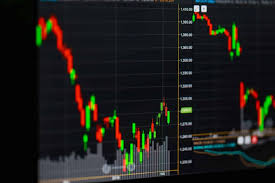
Foreign exchange trading, commonly known as Forex or FX trading, involves the buying and selling of currency pairs in order to profit from fluctuations in exchange rates. The Forex market operates 24 hours a day, five days a week, making it one of the largest and most liquid financial markets globally. Traders engage in Forex trading through brokers, using various strategies to capitalize on currency movements.
Islamic Finance Principles
To assess whether Forex trading aligns with Islamic principles, it’s essential to understand core concepts in Islamic finance. Islamic finance is governed by the principles laid out in Sharia law, which prohibits certain practices, including:
- Riba (Usury or Interest): The prohibition of earning or paying interest is a fundamental tenet of Islamic finance.
- Gharar (Excessive Uncertainty): Contracts and transactions with excessive uncertainty or ambiguity are considered haram.
- Maysir (Gambling): Any form of gambling or speculative activity is forbidden in Islam.
Arguments for Forex Trading Being Halal

Proponents of Forex trading argue that it can be conducted in a manner consistent with Islamic principles. Here are some reasons why they consider it halal:
- No Riba: Forex trading does not inherently involve the payment or receipt of interest. Many Islamic Forex brokers offer accounts that are specifically designed to be Sharia-compliant, where no interest is charged on overnight positions.
- Real Economic Activity: Forex trading is based on the exchange of currencies, and currencies serve as a medium of exchange for goods and services. This is viewed as a legitimate economic activity, unlike mere speculation.
- Hedging: Traders can use Forex for hedging purposes, which is considered an acceptable practice under Islamic finance when used to mitigate risks associated with trade.
Arguments for Forex Trading Being Haram
Conversely, some scholars and practitioners maintain that Forex trading is haram due to the following reasons:
- Speculation: Critics argue that many traders engage in speculative practices rather than genuine economic transactions, akin to gambling.
- Gharar: The Forex market can involve significant uncertainty and risk, which may fall under the prohibition of gharar.
- Broker Practices: Many traditional Forex brokers may engage in practices that are not Sharia-compliant, such as charging interest on leveraged positions or promoting highly speculative trades.
Finding Sharia-Compliant Forex Brokers
If you decide to engage in Forex trading, choosing a Sharia-compliant broker is crucial. Look for brokers that offer:
- Islamic Accounts: These types of accounts do not charge interest on overnight positions and might have different spreads to compensate for the lack of interest.
- Transparency: A reputable broker will provide clear information about fees, spreads, and how trades are executed.
- Willingness to Educate: Good brokers offer educational resources to help traders understand the risks and strategies involved in Forex trading.
Conclusion: Navigating Forex Trading as a Muslim Trader
The conversation surrounding the permissibility of Forex trading in Islam is multi-faceted. It requires careful consideration of Islamic finance principles and individual circumstances. As with any financial endeavor, it is wise to seek counsel from knowledgeable scholars and financial advisors to ensure that your trading practices align with your ethical and religious beliefs.
Ultimately, whether you view Forex trading as halal or haram will depend on your interpretation of Islamic principles and your approach to trading. Always conduct thorough research and practice responsible trading to minimize risk and ensure compliance with your beliefs.
